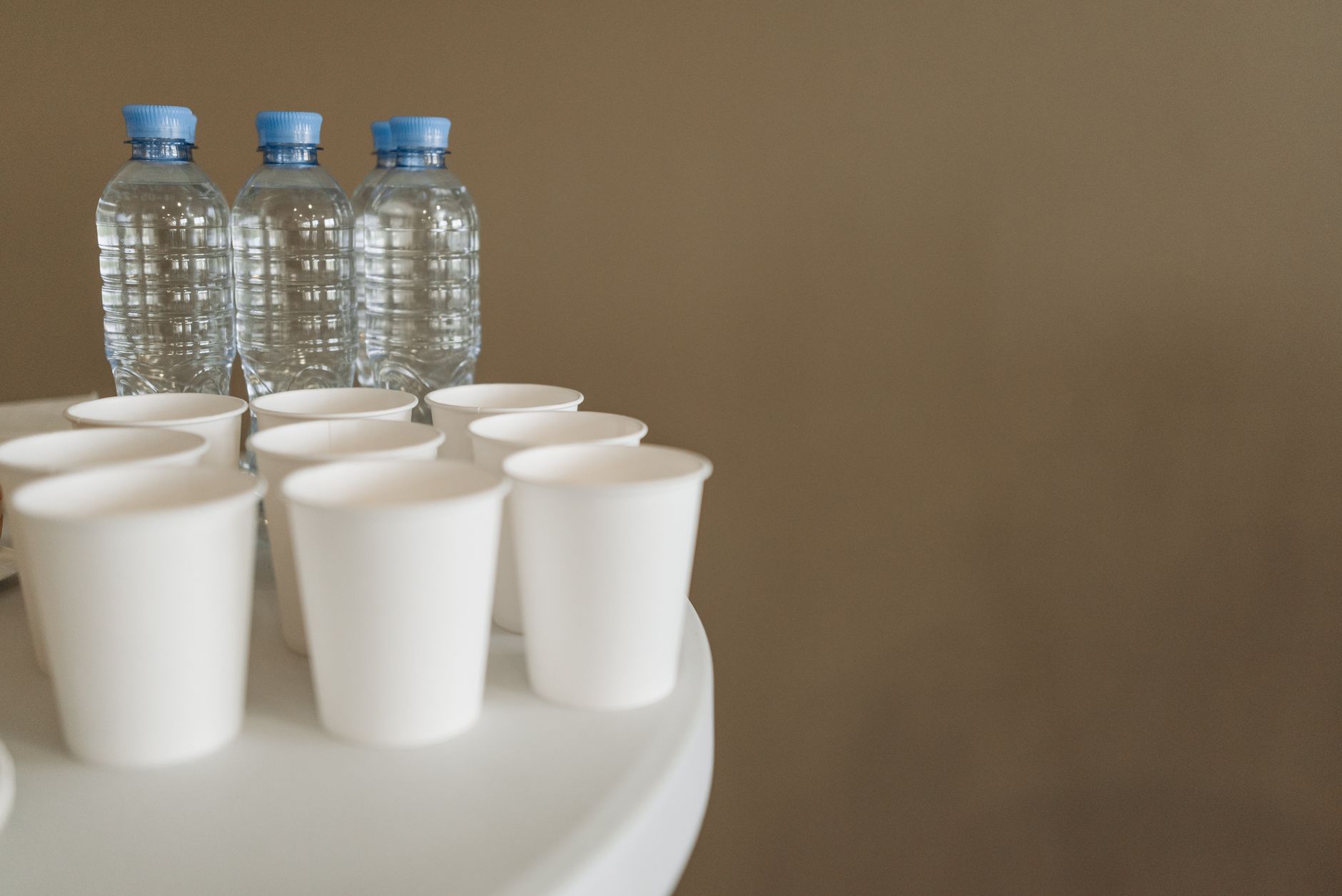
"Eight glasses a day" is repeated everywhere and traceable to nothing in particular. It is not a scientific finding; it is a number that survived because it is easy to remember.
What is actually recommended
The NHS suggests 6 to 8 glasses of fluid a day for adults in a temperate climate, and is explicit that this means fluid, not water specifically — see water, drinks and your health1. More in hot weather, more when you exercise, more when you are ill. Harvard's water overview2 lands in the same place and adds the useful part: a healthy adult's thirst is a reasonable guide, and rigid counting is not necessary.
What counts
Tea, coffee, milk, soup and the water inside food all count. The old claim that coffee dehydrates you does not hold at ordinary intakes. What does not count in the same way is anything with sugar in it: the WHO guidance on free sugars3 is the reason sweet drinks are the one category worth being deliberate about.
Does drinking water make you lose weight?
Not by itself. Where it genuinely helps is substitution — replacing sugary drinks with water removes real calories, and that is the mechanism, not some effect of hydration on metabolism. Water before a meal can take a little of the edge off appetite for some people; it is a small effect and not a strategy.
A check that takes no effort
Pale straw-coloured urine means you are fine. Dark means drink something. That is the entire monitoring system, and it beats any app.
When to stop counting
For most healthy adults, thirst plus that colour check is enough, and the mental budget spent on hydration targets is better spent on what is on the plate — which is where the NHS healthy-eating tips4 put the emphasis too. If you have a kidney or heart condition, or you are on medication that affects fluid balance, your doctor's number replaces all of the above.